
Healthy Eating
Tips for Healthy Lifestyle Recommendations
Healthy eating is a lifestyle choice. Use the 80-20 rule: follow healthy eating recommendations 80% of the time and eat what you like without guilt the other 20% of the time. No food is 100% forbidden—have a treat on occasion; it will make a healthy eating plan more livable. This can be true for diabetics so long as you take the precaution of watching the glycemic load of a meal.
Retraining old eating habits
- Banish unhealthy ingredients from the home and don't buy any more (better to have the occasional dessert after a balanced meal out than to have it as a temptation in the house).
- Stock pantry and refrigerator with healthy balanced choices.
- Plan ahead meal schedule for the week and have healthy choices prepared and on hand.
Mindful eating
- Eat slowly, chew slowly, putting fork down between bites.
- Serve small portions on small plates (12-inch plates are recommended) and do not serve seconds. Wait at least 20 minutes before eating more if you are truly hungry. Eat to satisfaction, but not fullness. Eat until 80% full.
- Savor flavors, textures, aromas, and conversation - enjoy the meal experience, not just the food. Do not read, watch TV, or do any work while eating. Try to make mealtime a peaceful, nurturing experience.
- Recognize and redirect non-hunger eating to better behavior responses. First, evaluate whether the urge to eat is true hunger. Wait at least five minutes before eating to see if the urge passes. Drink water since sometimes it’s thirst and not truly hunger.
Final tips
- Follow the 80-20 rule. Remember that you don't have to be "perfect" in your eating habits all of the time.
- Eat a healthy, balanced, but varied diet. There is no cause for boredom when there are so many exciting, healthy recipes, and new foods to try.
- Be kind to yourself, and forgive any lapses.
- Learn to be polite, but firm, in resisting the influence of those who may try to offer or entice you with poor food choices.
- Know your food addictions and treat it as an addiction.
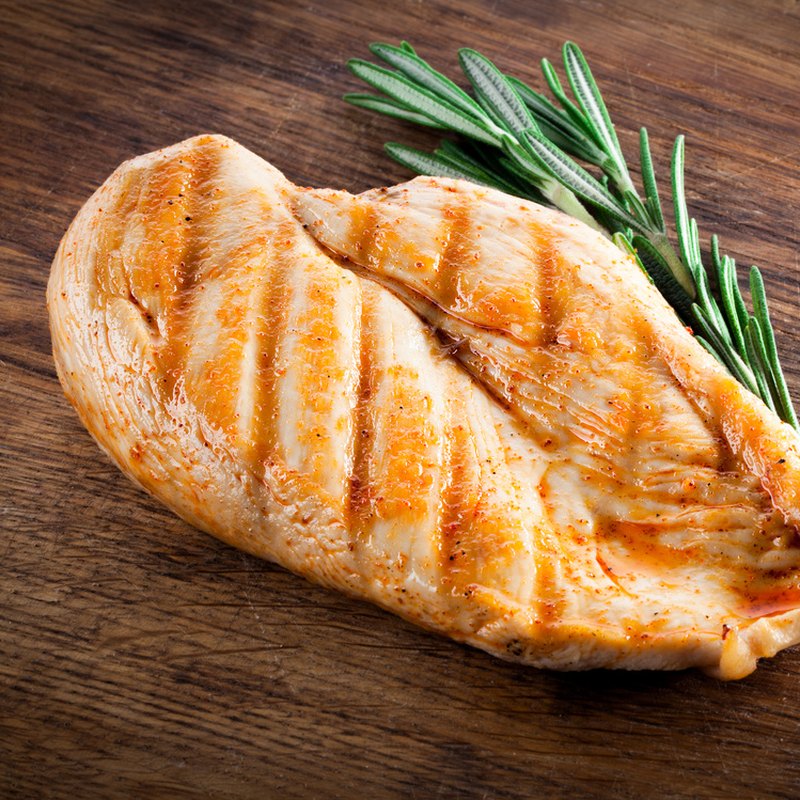
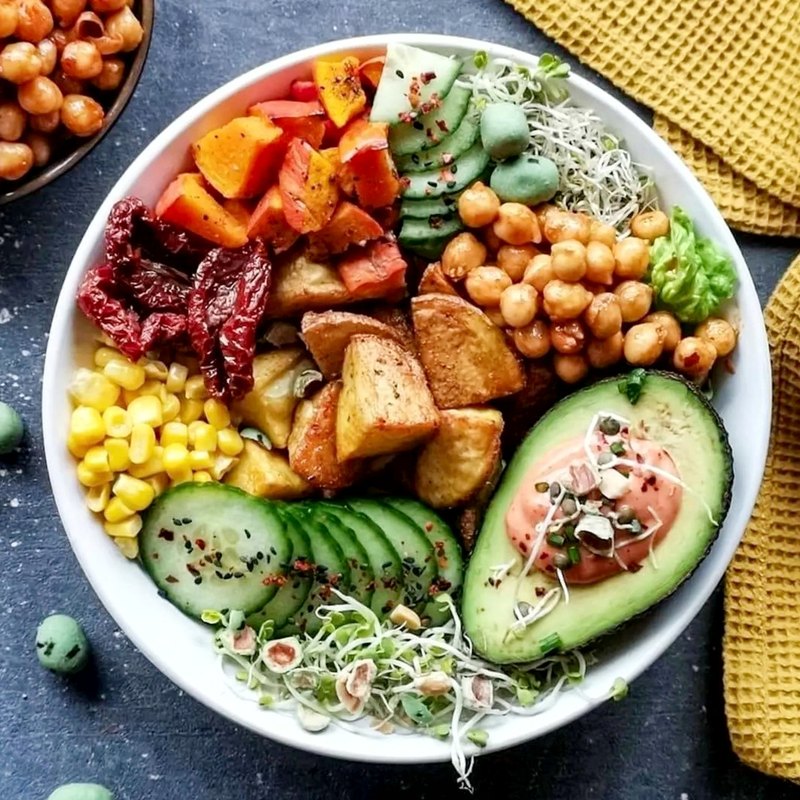
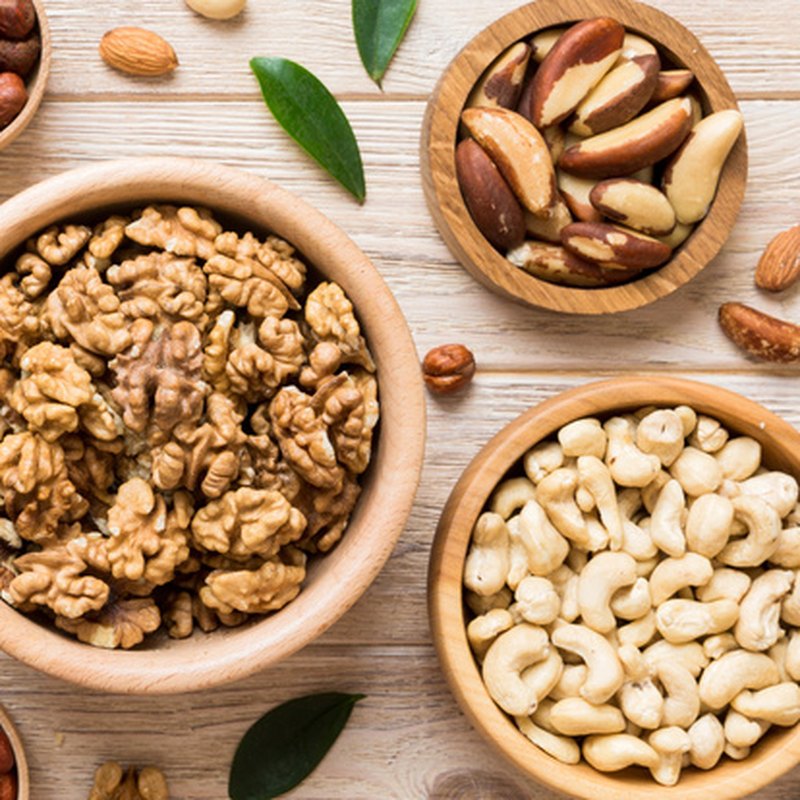

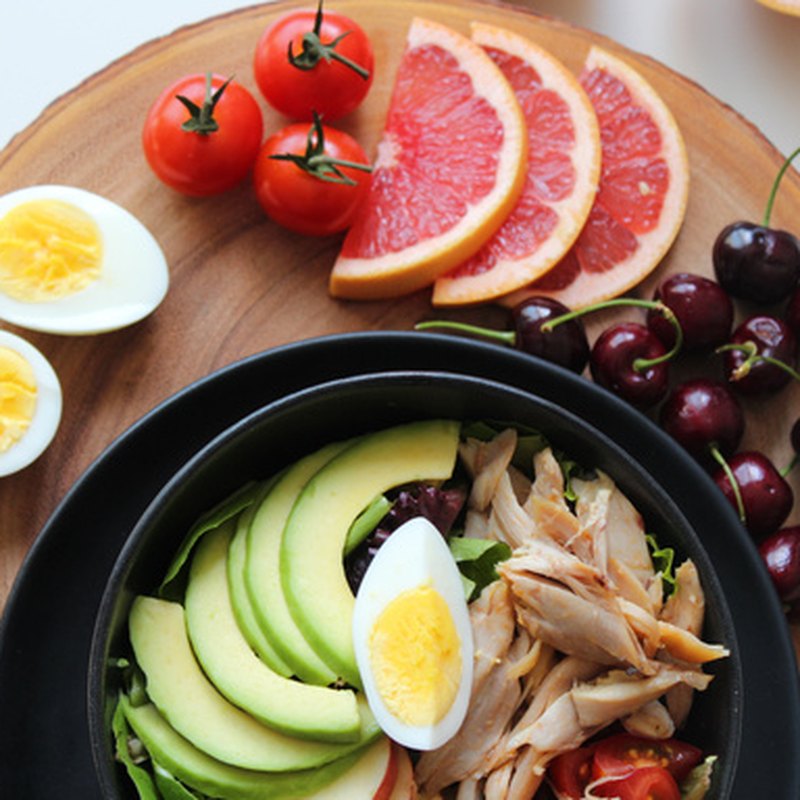
General: cook your own food as often as you can!
- Select fresh, in-season fruits and vegetables and certified organic foods whenever possible.
- Avoid genetically engineered foods, as nature’s intelligence has been altered in them at a fundamental level.
Vegetables
- Cook in a small amount of water after sauteeing with spices and a little olive oil, or steam and then add sauteed spices.
Oils
- Use extra-virgin olive oil, avocado oil or other cold-pressed organic oils. Refined oils promote inflammation and can be damaging to the body. They often contain trans-fatty acids, pesticides, and other toxic residues from the refining process.
Spices
- Spice your food at each meal. This helps your digestion and reduces gas, provides antioxidant support, helps balance your body and, of course, makes your food taste delicious!
- Minimize sugar and salt.
Fruit
- Soak dried fruits in water until they are soft. Eat sweet, juicy fruits as between-meal snacks.
Grains
- Cook your grains with up to 1 teaspoon of ghee or olive oil per serving to balance their inherently drying effect on the body.
Nuts & seeds
- Keep them natural, without added oil or salt.
- Ideally soak overnight in water and eat them, or cook with the softened nuts for better digestion and more balancing effect.
- Alternatively, bake or toast them until lightly browned.
Legumes
- Soak the dried beans, peas, or dahl overnight or all day in room-temperature water.
- Pour off the water and use fresh water to cook them in. This makes the beans less gas producing and also saves you cooking time.
- Alternatively, bake or toast them until lightly browned.
Dairy
- Add a pinch of cardamom or cinnamon to help digestion and to reduce any tendency for sinus congestion from drinking milk.
- Milk should be organic and ideally unhomogenized if you can find it to purchase; bring it to a boil and drink while still warm or allow to cool to room temperature.
- To ensure good digestion of milk, never drink milk with a full meal, or anything that is salty or sour.
- Generally, it is best to drink milk on its own or with sweet dried fruits (raisins, dates, figs), cereals, breads, or cooked grains.
- Cheese, yogurt, sour cream, and anything curdled (including soy cheese, rice cheese, and soy yogurt) should be eaten at lunchtime only.
- Curdled foods are too heavy to digest properly in the evening or at breakfast.
Non-vegetarian foods
- Items should be freshly cooked, warm, and not processed or fried. These are best taken at lunch and avoided at dinner.