
The Healing Sanctuary
Intermittent
Fasting
187 E 13th St Idaho Falls, ID 83404208.497.0500
What is
Intermittent Fasting?
Historically, intermittent fasting (IF) regimens have been used for medicinal purposes by ancient Roman, Greek and Chinese civilizations and is a common practice for many religions. Fasting involves abstaining from calorie-containing foods and beverages for at least 12 consecutive hours, inducing a number of hormonal and metabolic changes in the body. Research demonstrates that IF can promote certain health benefits including weight loss, reduced inflammation and improved glucose and insulin levels.
When we eat, food is broken down in the digestive tract into nutrients and absorbed into the body. Carbohydrates in food are broken down to glucose (simple sugar) which can then be absorbed into the bloodstream and distributed into body tissues, where it is used as the body’s primary source of energy. When carbs, fats, and proteins are broken down during digestion, adenosine triphosphate (ATP) is generated. ATP is the primary carrier of energy in cells. When a cell needs energy, ATP is broken down and the energy released is utilized for a variety of cellular processes including: protein synthesis, muscle contraction, and transmission of nerve impulses.
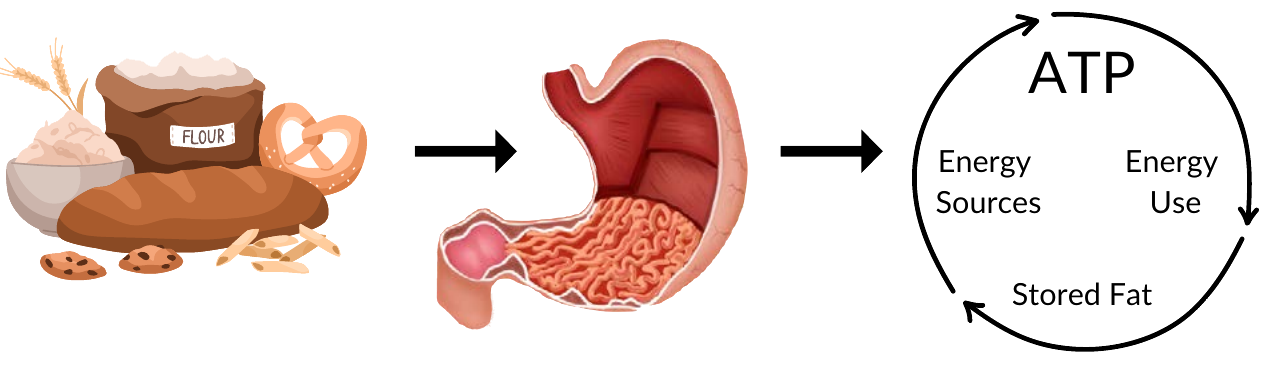
The hormone insulin regulates glucose levels in the blood by signaling for your cells to update glucose from the blood into cells, where it provides fuel for body functions. Excess glucose is stored in the liver and skeletal muscles as glycogen and as fat for long-term energy storage. To meet energy needs, the body taps into these storage reserves when blood glucose levels are low. When glucose levels are low, the body can undergo gluconeogenesis, a process by which the liver produces glucose from non-carb sources.
After approximately 18 hours of fasting, insulin levels are low and a process called lipolysis begins. During this, the body breaks down adipose tissue (fat) into free fatty acids. Glycogen stores are typically depleted within 24 hours of fasting. When there is insufficient glucose or glycogen available to meet the body’s energy demands, the body will transition to using fatty acids and fatty acid-derived ketones for energy. This metabolic state is known as ketosis. Liver cells are responsible for ketogenesis, the production of ketones. During ketogenesis, fatty acids are broken down in the mitochondria of cells by a process called beta-oxidation and converted to the ketones acetoacetate and beta-hydroxybutyrate. These ketones are used by muscle cells and neurons (brain cells) to generate ATP used to full cellular processes.
Weight Loss
During periods of fasting, the body shifts to using stored body fat as an energy source. This can result in a fat loss and a lower body mass index (BMI). Fasting may also increase levels of human growth hormone (HGH), a hormone produced by the pituitary gland that improves fat metabolism and helps maintain a healthy body composition. Furthermore, IF reduces total caloric intake on fasted and non-fasted days, resulting in weight loss.
Improved Metabolic Health
Insulin resistance, a hallmark trait of type 2 diabetes, has been shown to improve in individuals adhering to IF regimens. Following a fasting period, insulin sensitivity rises, resulting in lower insulin levels - this has long-term positive effects on insulin resistance, which occurs when the body’s cells don’t respond normally to insulin. Metabolic syndrome, characterized by high blood pressure, elevated blood sugar, large waist circumference and abnormal blood cholesterol levels, may be prevented or reversed by regular periods of fasting.
Reduced Cardiovascular Disease Risk
Research suggests that IF improves blood pressure, triglyceride, LDL, and total cholesterol levels. Improved cardiovascular risk factors associated with IF appear to be related to weight loss and lowered insulin levels.
Decreased Inflammation
The physiological changes associated with IF, such as reduced inflammation, may result in a reduced risk of various inflammatory conditions, including diabetes, cancer, and heart disease. IF may also reduce proinflammatory factors, including: homocysteine and C-reactive protein (CRP) that can lead to the build up of plaque in the arteries.
Better Sleep
Studies show a relationship between late night eating and poor quality sleep. Chronic insufficient sleep is associated with an increased risk of chronic health issues, such as obesity, cancer, and cardiovascular disease. Following a consistent intermittent fasting routine and avoiding late night eating may positively influence circadian rhythm, which is the body’s internal clock that regulates the sleep-wake cycle.
Improved Gut Health
IF increases the population of healthy gut microbiota, which play an important role in promoting healthy digestion and immune function. IF also reduces intestinal permeability and improves gut motility by enhancing the parasympathetic nervous system, the system responsible for the body’s rest and digest response.
Neuroprotection
Research suggests that IF supports healthy aging of the nervous system by protecting neurons and nerve cells against genetic and environmental factors. IF protects neurons by reducing inflammation in the brain and aiding in a process called autophagy, which is the body’s way of eliminating damaged cells and generating healthier cells. Additionally, IF reduces markers of oxidative stress and improves the body’s stress response, thus helping cells better manage stress and resist disease.
Side Effects
& Safety Concerns
When some side effects have been reported, IF in generally recognized as safe, and side effects are mild for most individuals.
Some side effects may be temporary as your body adjusts to periods of fasting and using fat stores as a primary energy source. You can mitigate some of these side effects by easing into an IF routine and slowly increase the duration and frequency of your fats.
Patients with diabetes should take special precautions while fasting as they are more susceptible to low blood sugar. Other populations at increased risk for complications include: pregnant and lactation women, young children, certain older adults and individuals with immunodeficiencies.
The following are normal side effects:
- Fatigue
- Feeling Cold
- Hunger
- Irritability
- Low Energy
- Mood and Behavior Changes
Time Restricted Feeding
Abstain from all calorie-containing food and beverages during the fasting window; consume food as needed during the feeding window.
8 Hour Feeding Window
*Eat Until 80% Full
&
16 Hour Fasting Window
Planning Your Fasting
& Feeding
Mobile apps are a useful tool for tracking fasting and feeding windows. Paper trackers on a calendar are also been known to be helpful.
Some recommended apps & websites for tracking:
Mobile Apps
- Do Fasting
- Fastic
- Simple Life App
Websites
Two QR codes in the PDF; web addresses to be supplied.
Breaking Your Fast
Following a period of fasting it’s best to slowly reintroduce foods as opposed to consuming a large meal. Stick with a whole, unprocessed foods that contain all three macronutrients, including carbs, protein and fat. Avoid refined carbs and sugary beverages when breaking a fast as they can raise insulin levels.
Healthy Foods to Consume
Post Fast
- Fruits and Vegetables
- Healthy Fats (avocado, olive oil, nuts, seeds)
- Lean Proteins (chicken, eggs, fish, turkey)
- Whole Grains (barley, oats, whole wheat)
- Beans and Legumes
Consider pairing micronutrients together, such as oatmeal with nuts or seeds, chicken with broccoli and brown rice, or a garden salad with garbanzo beans and an olive oil based vinaigrette. Eating meals with a combination of all three macronutrients can improve satiety, thus helping you stay fuller longer.
Meeting Nutritional Needs
The restricted feeding windows of IF may lead to fewer calories consumed and challenges with meeting nutritional needs. Focus on eating an abundance of nutrient-dense, whole foods during feeding periods for optimal results.
How Much Should I Eat
While Fasting?
Avoid all calorie-containing foods or beverages during fasting periods. Only water, unsweetened tea, and black coffee should be consumed.
Can I Exercise While Fasting?
Brief, low-impact exercise while in a fasted state is safe for most individuals. Exercising while fasting can improve your body’s ability to use fat as energy, which may result in weight loss. Fat oxidation (breakdown of fat cells) decreases during feeding windows due to increased insulin levels post-meal. Pay close attention to signs of dehydration or low blood sugar if you exercise while fasting. If you find that you feel lightheaded or dizzy, take a break and consider eating something before exercising. Endurance athletes should use extra caution and refrain from participating in high-intensity training while fasting since performance may be negatively impacted.
Does IF Effect Men & Women
Differently?
There is some evidence to suggest that IF affects men and women differently. After 3 weeks of alternating day fasting, women in one study had decreased glucose tolerance, while men’s glucose tolerance remained the same. Furthermore, early research suggests that intermittent fasting may negatively affect reproductive hormones, disrupting a women’s menstrual cycle. With guidance from your provider, some women maybe need to consider a less rigid approach to IF and focus on shorter fasting periods and fewer fasting days overall.
What If I Get Hungry?
Hunger is normal while fasting and is typically short-lasting. Water consumption can ease hunger pangs and increase feelings of satiety. Participate in activities to distract yourself from sensations of hunger, including low-intensity exercise, reading or meditating. During feeding windows, focus on eating food rich in fiber and lean protein. Fiber and protein increase satiety, leaving you feeling fuller for longer.
Can I Take Supplements?
Any calorie-containing dietary supplement will break a fast, and the body will revert back to using glucose for energy when it becomes readily available. Additionally, supplements that alter insulin levels, such as protein powders, fatty acid supplements, chewable or gummy vitamins, and meal replacement supplements may impact the desired effects of fasting.
Under 50 calories.