
Platelet-Rich Plasma
What is (PRP) Platelet-Rich Plasma?
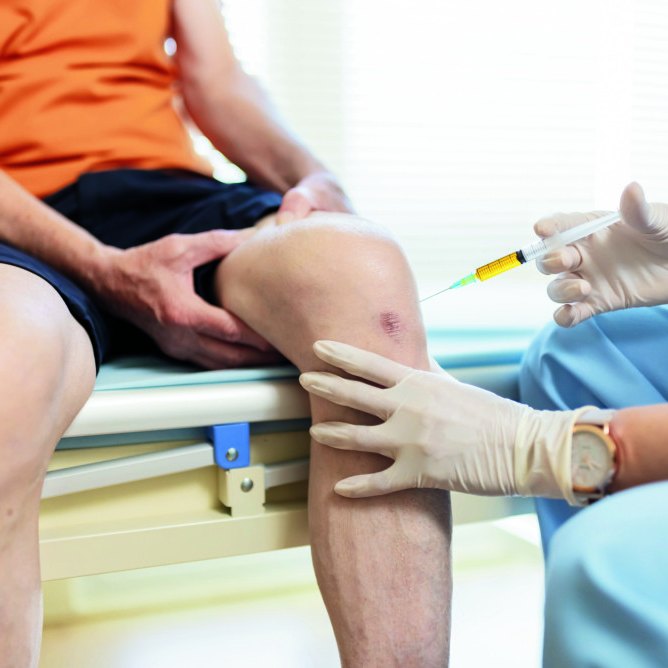
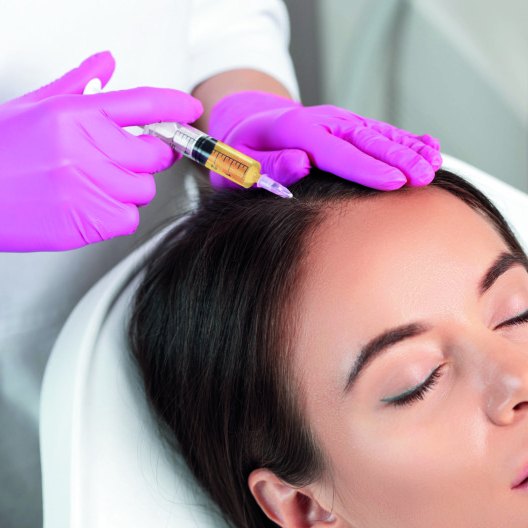
This treatment uses your own blood cells to accelerate healing in a targeted area. Platelets are a crucial type of cell in our blood that play an important role in healing. The purpose of platelets with PRP is to introduce growth factors directly at the injury site. These growth factors then help repair injuries and enhance healing. Common uses for PRP injections are: Tennis Elbow, Knee Osteoarthritis, Sports Injuries & Wounds. We also have a Medspa onsite where we offer Hair Loss & Skin Treatments.
How it Works:
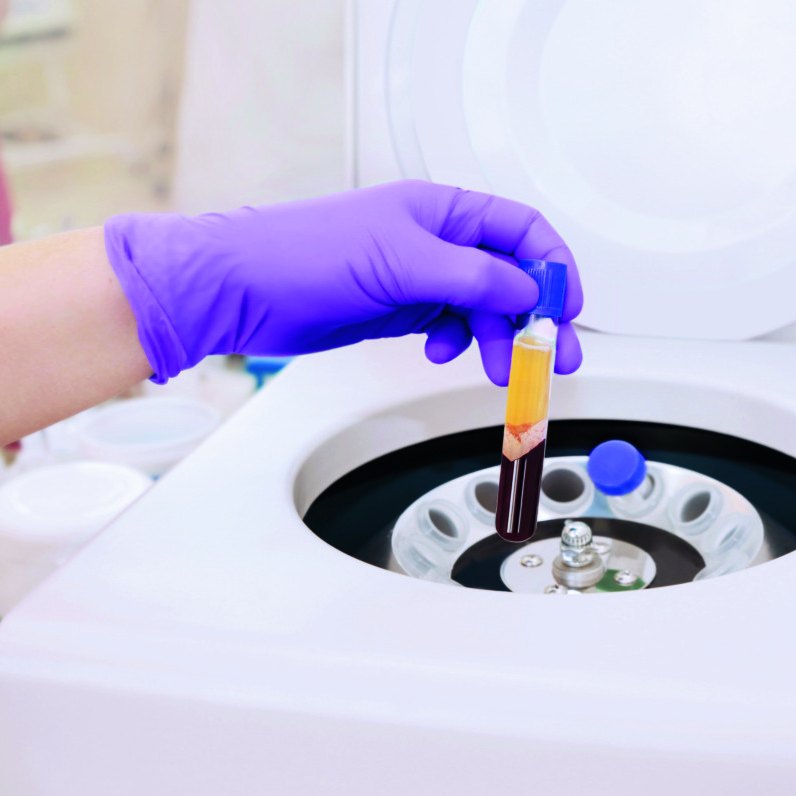
PRP injections are prepared by drawing a person's own blood and then placing it in a centrifuge machine which allows the platelets to separate and concentrate from the rest of the blood products. These activated platelets then get injected directly into the area of injury or compromised tissue. This process releases growth factors in the targeted area that the body recognizes which stimulates an increase in the number of reparative cells your body produces.
Benefits:
A great benefit to PRP injections is that they may reduce the need for anti-inflammatory medications or opioid medications. There is essentially no limit to how many PRP injections can be given unlike other forms of injections such as cortisone injections which help reduce inflammation, but really have no lasting effects on tissue healing. Since PRP is derived from your own body's blood, the body will not try to reject the treatment and the risk is low for having undue side effects of this injection.
*This content is not intended to be a substitute for professional medical advice, diagnosis, or treatment. Always seek the advice of your physician or other qualified health provider with any questions you may have regarding a medical condition. Never disregard professional medical advice or delay in seeking it because of something you have read on this handout.
PRP Pre/Post Care
Pre Care:
- Avoid using NSAIDs (Ibuprofin, Aspirin, Naproxen, Aleve, Motrin, Advil) for at least 10 days prior to your PRP procedure.
- Extra Strength Tylenol is okay to use for pain relief (not to exceed 3500mg within a 24 hour period.)
- On the day of the procedure it is recommended that 650mg be taken 1 hour prior to the procedure.
- If you have been prescribed daily aspirin for a heart condition, consult with your prescribing physician for clearance of temporary interruption of medication.
- Avoid receiving any corticosteroid injections at the proposed treatment site for at least two months prior to your procedure, and avoid systemic use of corticosteroids within one month prior to your procedure. May resume after 3 months.
- Avoid these nutritional supplements for one week prior to your procedure: Vitamin E, Flax Oil, Fish Oil, Vitamin A, Curcumin, Turmeric, Aloe, and Astaxanthin. May resume 10 days post procedure.
- Avoid smoking cigarettes or drinking alcohol for one week prior to your procedure. May resume one week after procedure.
Post Care:
- The areas treated may be numb for 2 to 6 hours after the procedure due to the local anesthetic, if any was used. This is completely normal.
- Due to the numbness, you should refrain from any strenuous activities or activities that might require use of the treated site/joint immediately after treatment (such as driving after a knee injection). However, it is important to stay mobile, and move the affected area gently/mindfully to decrease soreness and stiffness.
- You may resume light activities after 24 hours to light tolerance pain. Restricted weight bearing may apply.
- You may experience some pain, soreness, or bruising, following the injection which can last anywhere from 1 to 4 days. This is completely normal, however, some patients may experience very little pain at all. If the pain becomes extreme after 72 hours, or there is any sign of fever, or extreme redness at the injection site, contact our office.
- Avoid applying pressure, straining, or rubbing on the injection site for at least 24 hours after the treatment.
- Avoid applying ice to the injection area/joint for at least 4 hours after the procedure. Ice should only be applied if necessary, for 5 to 10 minutes, followed by an equal length of time of applying warm heat.
- Hydrate daily (64 oz of water is recommended.)