
UBI
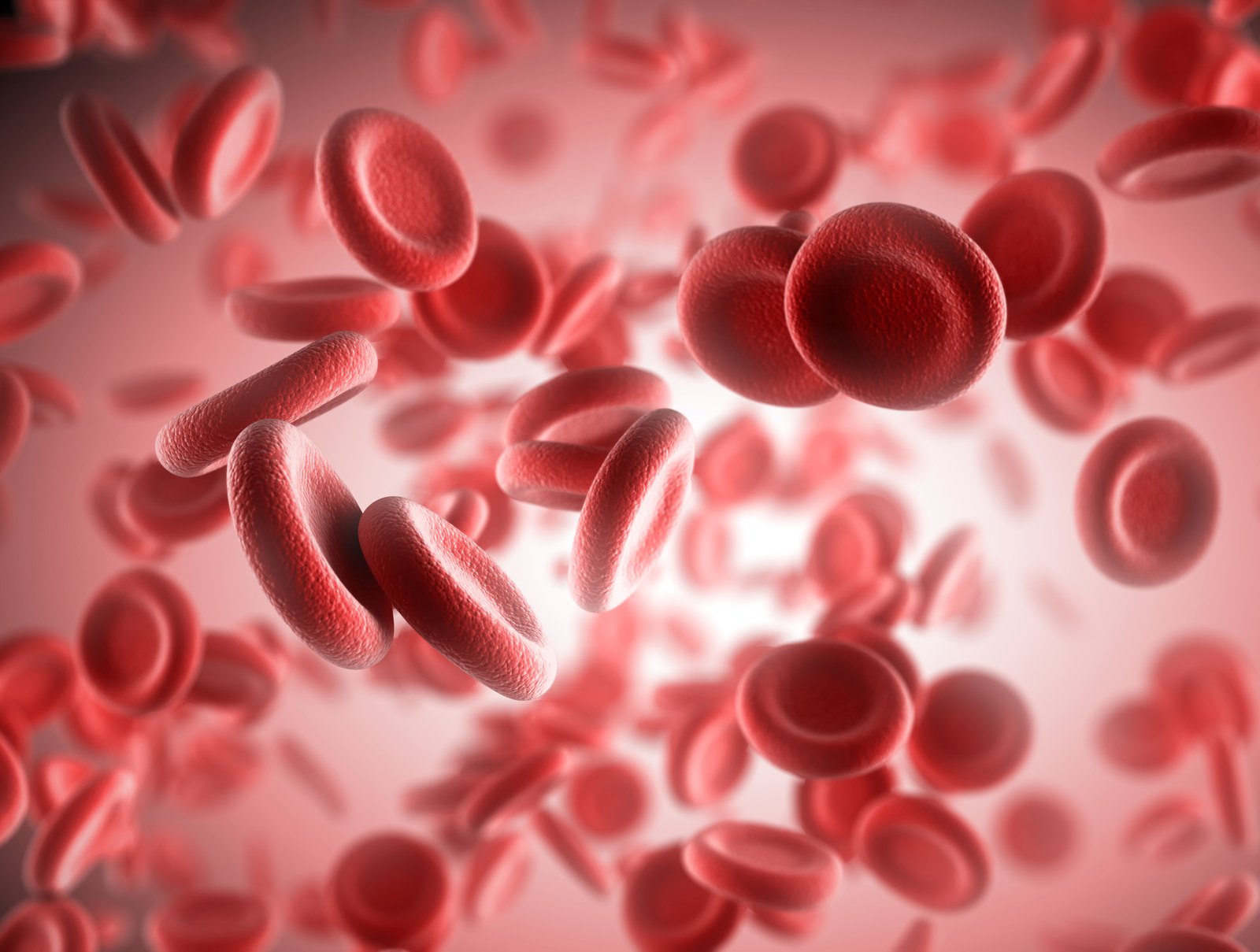
With the use and overuse of antibiotics in today's medical environment, the push to find alternative treatment for infection and disease has grown. Ultraviolet Blood Irradiation (UBI) helps the body create its own immune response, specific to the condition the body is attempting to fight.
What is UBI
UBI is a procedure where a small portion of a patient's blood is exposed to Ultraviolet (UV) light. UV light is the same energy that allows the sun to sanitize and kill bacteria and viruses. Bacteria and viruses absorb five times as much energy as normal blood cells; this allows healthy cells to remain intact while the diseased cells fracture apart. The normal cells then begin to produce antibodies, creating an immune response. Although only a small amount of blood is used in the procedure, the exposure to UV light stimulates a chain reaction in the immune system.
First used in 1928, UBI became less popular with the invention of antibiotics. While antibiotics were easier and less invasive, over time bacterial strains have become more resistant to treatment. For cases of chronic infection, especially where patient treatment has plateaued, UBI can be an excellent option. UBI has been approved by the FDA for T-cell lymphoma and also to prevent immune rejection of organ transplantation.
Procedure
During UBI, a small amount of blood is drawn from you first. Ozone may be added to your blood for a synergistic effect. Your blood is then run through a device that passes it through a quartz cuvette where it is irradiated with ultraviolet light in a closed, airtight, sterile circuit and returned to your bloodstream. This process usually takes between 40-50 minutes. Depending on your condition you may need treatment one to two times weekly for a minimum of 10 treatments. Chronic conditions are treated on a personalized schedule made just for you and often a maintenance treatment of once monthly is often needed.
Ultraviolet blood irradiation is exceedingly safe. The most common side effect is mild bruising at the insertion site of the intravenous catheter. Some patients experience mild fatigue which is short lived. Very few side effects are ever encountered.
After a UBI treatment, you may feel better immediately. As the treatment takes effect, a detoxification process begins. Occasionally, some people may feel worse due to the detox, and it may take up to four treatments for you to feel noticeably better. This detoxification reaction can be helped by drinking enough water, taking any prescribed antioxidant supplements, and keeping up a healthy lifestyle.
Who can benefit
UBI can help patients suffering from a wide range of conditions such as infection, chronic fatigue, inflammatory conditions, blood disorders, allergies, and other health conditions.
It is believed that exposure to ultraviolet light boosts immune function and continues to provide benefits even after the treatments are completed. Ultraviolet blood irradiation has a cumulative effect. Initial treatments are usually followed by maintenance treatments.
UBI may be used alone or in conjunction with other treatments for conditions including:
- Allergies – inhaled, food or chemical
- Arthritis – osteoarthritis, rheumatoid or psoriatic
- Autoimmune illnesses – e.g. SLE, RA, Ulcerative Colitis, Scleroderma...
- Cancer
- Candida (yeast) overgrowth
- Acute infections – influenza, cold, viral or bacterial infection
- Eczema & psoriasis
- Fatigue – acute and chronic
- Fibromyalgia
- Lyme disease
- Hepatitis
- MRSA
- Multiple sclerosis
- Herpes zoster and simplex
- Many others......
The Healing Sanctuary has found UBI to be an amazingly effective therapy. This is a safe method of improving health naturally without the potential side effects of drugs. Over one million UBI treatments have been administered worldwide without significant side effects experienced by any patient!
Talk you your provider and see what the healing rays of UV light can do for your health!
*This content is not intended to be a substitute for professional medical advice, diagnosis, or treatment. Always seek the advice of your physician or other qualified health provider with any questions you may have regarding a medical condition. Never disregard professional medical advice or delay in seeking it because of something you have read on this handout.